

Textiles are a key part of creating a comfortable and functional home. From cozy blankets to stylish curtains, the fabrics you choose can greatly impact both comfort and aesthetics. With so many options, it's essential to understand the differences between common textiles like acrylic, polyester, cotton, linen, wool, and blends. Each material has unique qualities, and knowing their pros and cons will help you make better choices for your home.
Acrylic Fiber

Credit: Haewon Oh
Acrylic is a synthetic fabric often used to mimic the softness and warmth of wool at a lower price point. Acrylic fibers are lightweight, durable, and resistant to fading, making them perfect for household items like blankets, throws, rugs, and curtains.
The main advantages of acrylic include its affordability and softness, making it ideal for cozy textiles. It's resistant to stains, fading, and is easy to maintain, typically being machine washable. Acrylic also dries quickly and retains its shape well, which makes it great for high-use items.
However, acrylic has some drawbacks. It isn't as breathable as natural fibers, which can make it uncomfortable in warmer weather. It's also prone to pilling, especially in high-friction areas like upholstery. Additionally, as a synthetic material, acrylic isn't biodegradable, which can have environmental impacts.
Polyester

Credit: Nik
Polyester is another synthetic fiber known for its strength, resilience, and resistance to shrinking, stretching, and wrinkles. This durability makes polyester a popular choice for household textiles that need to withstand frequent use.
Polyester is commonly used in cushions, pillows, bedding, and curtains. It's often found in blends with other fibers to combine the benefits of different materials, such as wrinkle-resistant bedding or durable upholstery.
Polyester's benefits include its durability and ease of care. It resists wrinkles, doesn't shrink, and dries quickly. It's also affordable, making it a budget-friendly option for textiles like furniture covers and bedding.
On the downside, polyester isn't very breathable, making it less comfortable for warmer climates. While durable, it doesn't have the luxurious feel of natural fibers and can feel less soft and comfortable. Like acrylic, polyester is derived from petroleum, which means it has a higher environmental footprint.
Cotton
Credit: Jenna Christina
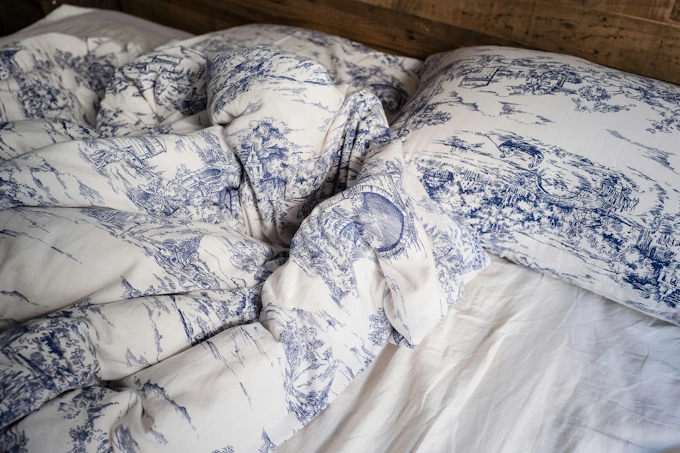
Cotton is one of the most beloved natural fibers, known for its breathability, softness, and versatility. It's a go-to choice for bedding, towels, and various household decor.
Cotton is used in bedding (sheets, pillowcases, duvet covers), towels, tablecloths, and curtains. Its breathability and comfort make it the ideal material for items that come into close contact with the skin. Cotton towels are especially popular due to their absorbency and quick-drying properties.
The advantages of cotton are clear: it's natural, breathable, and comfortable, making it perfect for bedding and towels. It's also highly absorbent, making it ideal for bathroom textiles. Cotton is biodegradable, making it more eco-friendly than synthetic fibers.
However, cotton can wrinkle easily, meaning it may require ironing for a neat appearance. It can also shrink when washed and dried, which may impact the fit of items like bedding and clothing. While durable, cotton may not be as long-lasting in high-traffic areas as synthetic fibers.
Linen
Credit: Debby Hudson
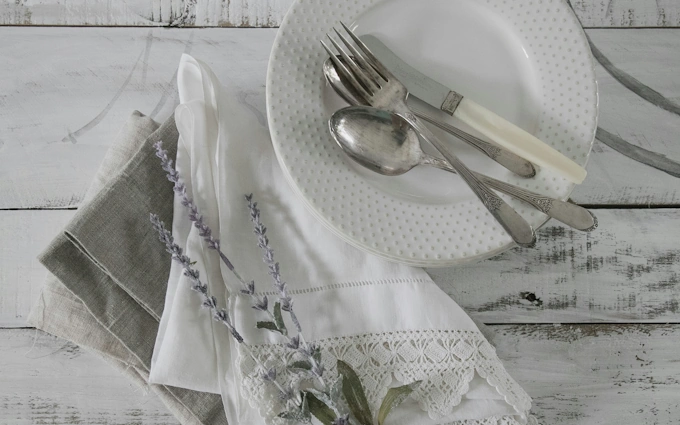
Linen, made from the flax plant, is a natural fiber with a crisp texture and luxurious feel. Known for its coolness and breathability, linen is especially popular for bedding and decor in warmer climates.
Linen is used in bedding, tablecloths, napkins, and curtains. Linen sheets are particularly favored for their cooling properties, keeping you comfortable during hot summer nights. Linen's rustic and natural look also makes it a stylish choice for table linens and curtains.
The main benefits of linen are its breathability and cooling properties. It's naturally moisture-wicking, which helps regulate temperature. Linen becomes softer and more luxurious with time and use, giving it a long-lasting appeal. It's also an environmentally friendly option due to its low pesticide use in cultivation.
However, linen wrinkles easily, which gives it a relaxed, casual appearance. High-quality linen can be more expensive than cotton, making it less budget-friendly for some. Additionally, linen can feel stiff at first but softens with repeated use.
Wool
Credit: David Dvořáček
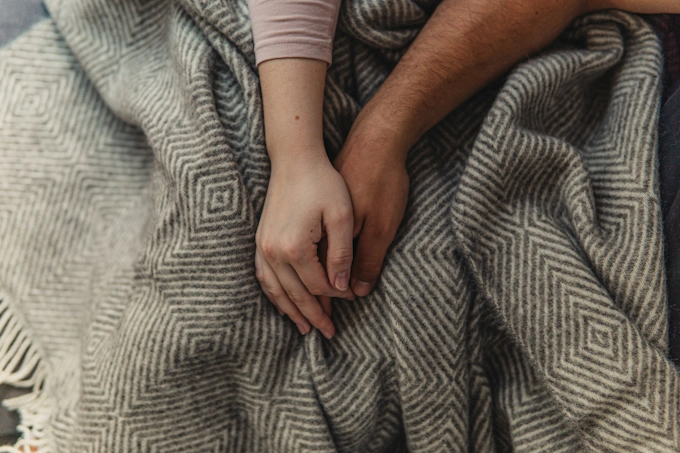
Wool, derived from sheep, is a natural fiber known for its warmth, moisture-wicking properties, and resilience. It's a perfect choice for textiles that need to provide insulation and comfort, especially in cooler climates.
Wool is commonly used in blankets, throws, carpets, and bedding. Wool blankets are known for their warmth and insulation, while wool carpets add softness and warmth to any room. Wool is also used in mattress pads and comforters due to its ability to regulate body temperature.
The main advantages of wool are its warmth and insulating properties, making it ideal for colder climates. Wool is also moisture-wicking, helping to regulate temperature and keep you dry. It's durable and resilient, offering long-lasting performance in textiles.
On the downside, wool can be itchy for some people, though softer varieties like merino wool are much more comfortable. Wool also requires special care, often needing hand washing or dry cleaning. It can also be more expensive, especially high-quality wool.
Blends: Combining the Best of Both Worlds

Credit: Nik
Blended fabrics are created by combining natural and synthetic fibers to harness the advantages of both. For example, cotton-polyester blends are popular for bedding and towels, offering the softness of cotton with the durability and wrinkle resistance of polyester. Wool-acrylic blends combine the warmth of wool with the affordability and low-maintenance care of acrylic.
The primary advantage of blends is that they offer the best qualities of both fibers. They tend to be more durable than 100% natural fibers and easier to care for than pure synthetics. Blends are often more affordable, combining the luxurious qualities of natural fibers with the durability and low-maintenance benefits of synthetics. For instance, cotton-polyester blends are popular for wrinkle-resistant sheets at a lower price than 100% cotton options.
However, blends have some downsides as well. The natural properties of fibers like breathability and moisture-wicking can be diminished when combined with synthetics, resulting in a less luxurious feel. Additionally, blended fabrics may not be as eco-friendly as 100% natural fibers, as they may still contain synthetic components that are not biodegradable.
Conclusion

Credit: Jordan Bigelow
When selecting household textiles, it's essential to consider the material's qualities and how it fits your lifestyle. Acrylic and polyester are durable and low-maintenance options, while cotton, linen, and wool offer natural benefits like breathability and comfort. Blends provide a balance of the best attributes from both natural and synthetic fibers, though they may not always offer the same luxury or eco-friendliness as their pure counterparts.
By understanding the strengths and weaknesses of these textiles, you can make more informed choices for your home, ensuring both style and comfort in your household items. Whether you prefer the softness of cotton sheets, the warmth of a wool blanket, or the ease of polyester, each textile brings its own set of benefits to your home.
Products You May Like

About Carly Dawson
Carly Dawson is the Social Media Manager for ModernTurtle.com. She's a home décor enthusiast, who enjoys sharing ideas to create a happy place. She loves to entertain at home, but also loves those quiet moments with just her and her rescue cat, Juneau.
View all posts by Carly Dawson
